
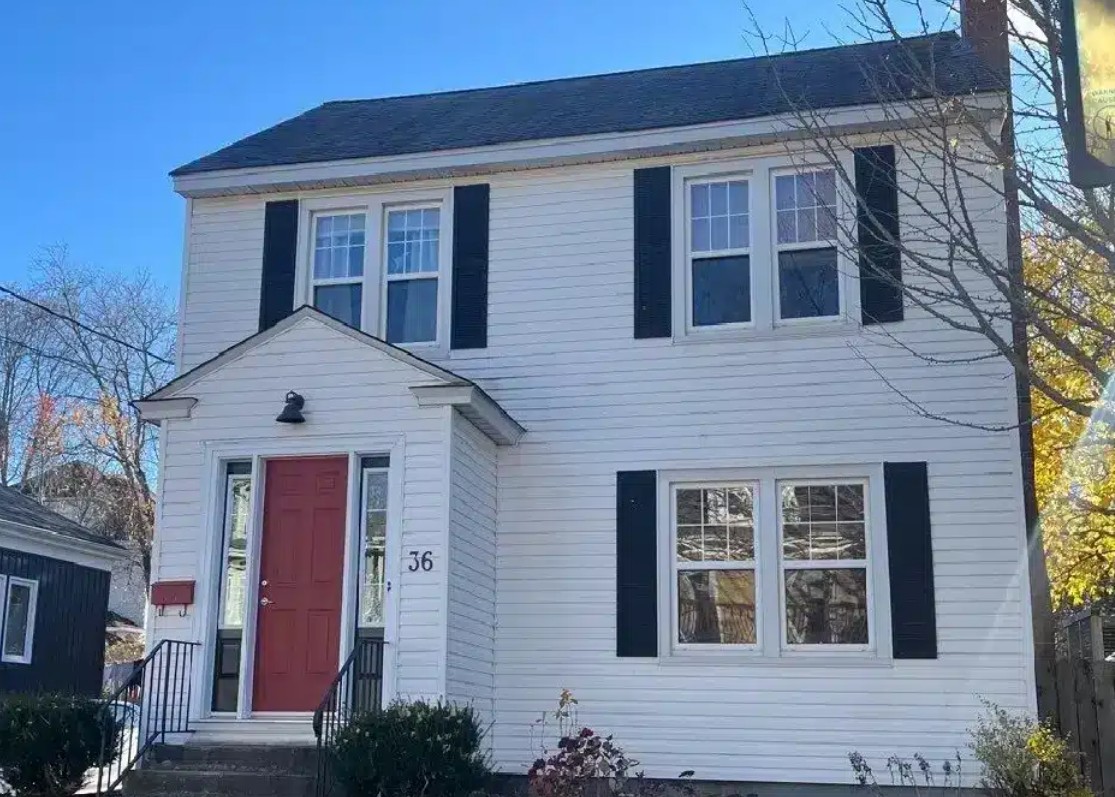
When you live in the city of Moncton, Canada, you know your home already has to deal with maritime storms, coastal weather, and much more. While you cannot control seasonal swings, you can surely protect your home against the elements that threaten its structural integrity and safety. Your house is most vulnerable on the exterior, exposed to rain, snow, heat, and other weather conditions. Choices like vinyl siding for the exterior walls help ensure your home is protected from their impact. Homeowners also praise vinyl for its ability to last up to 40 years, depending on several factors. However, situations like water accumulation behind siding should be addressed as soon as they are noticed.
Undetected moisture problems like this can seriously compromise your home’s structural integrity. When moisture pools behind siding, warning signs appear inside your home in the form of a musty odour, water stains on interior walls, and more. Exterior surfaces may become discoloured. Before things get out of control, you should contact a reliable contractor who provides vinyl siding services Moncton. They can recommend repair or replacement options as needed. Timely action can prevent your home from developing serious structural issues.
Common causes of water seepage behind siding
Multiple factors can be responsible for this problem. Finding the source of the issue is important to fight moisture damage. Water can travel behind the siding through unsealed gaps in windows and doors. Since caulking on the frames doesn’t last forever, it can allow moisture to slip beneath the siding. Flashing, a thin metal strip around roof joints, fixtures, doors, and windows, works as a drainage system, directing water away from critical spots. However, damaged or missing flashing around light fixtures or other areas may allow water to get behind siding.
Sometimes, old siding is prone to this problem. Its water barrier becomes ineffective with age. Although vinyl siding lasts for 20 to 40 years, its water-repellent qualities deteriorate over time. If the material has holes or becomes warped or cracked, moisture finds an easy entry point. Even poor installation can be a contributing factor. If the siding is installed too tightly, it won’t have room for expansion. This causes the siding to buckle under pressure and create gaps where water can easily seep in. Weakened caulking around joints can also compromise the defence system. You should monitor this area during ice dam formation and take appropriate steps before it’s too late. Meltwater from snow can find its way behind the siding.
Need to contact the experts
You cannot be sure about a moisture problem behind siding unless it has been clearly identified. Sometimes, visual clues may not be enough to reach a conclusion. Only specialists know how to handle these situations. When you call a local siding contractor, they use proper equipment and tools to detect the actual problem and recommend repair or replacement as required. Some use moisture meters to determine the extent of water damage. They can also use thermal cameras to study temperature changes caused by trapped moisture behind siding. The images do not literally show water behind the siding but reveal the issue through heat patterns. A good contractor uses high-end cameras and other equipment to provide precise insights and solutions. For more information, you can visit Artisanroofing.ca.
As mentioned, it is important to detect the hidden culprit first. Depending on the damage already done, your contractor can suggest the best course of action. Repairing vinyl siding can be more affordable than replacing it upfront, but you should follow the expert’s advice.